Red Theatre Beijing: From Cultural Heritage to Modern Acrobatics
Beijing is a city where tradition and innovation exist together. From ancient temples and imperial architecture to modern theatres and cultural performances, the city continues to introduce Chinese culture to visitors from around the world.
Among Beijing's many performance venues, Red Theatre holds a special position. Located in Dongcheng District near the Temple of Heaven, the theatre has experienced decades of transformation and has become an important destination for audiences seeking Chinese performing arts.
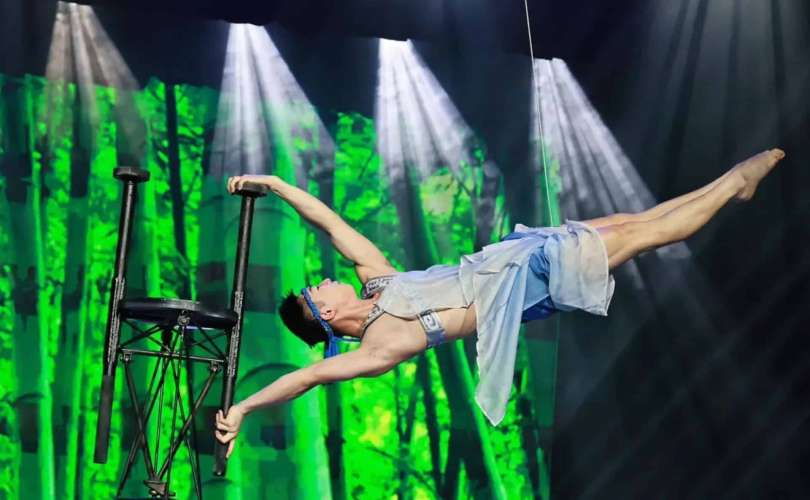
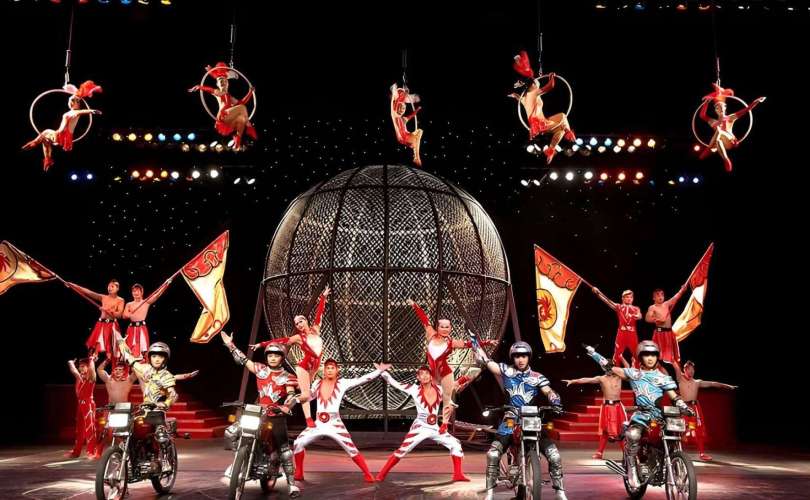
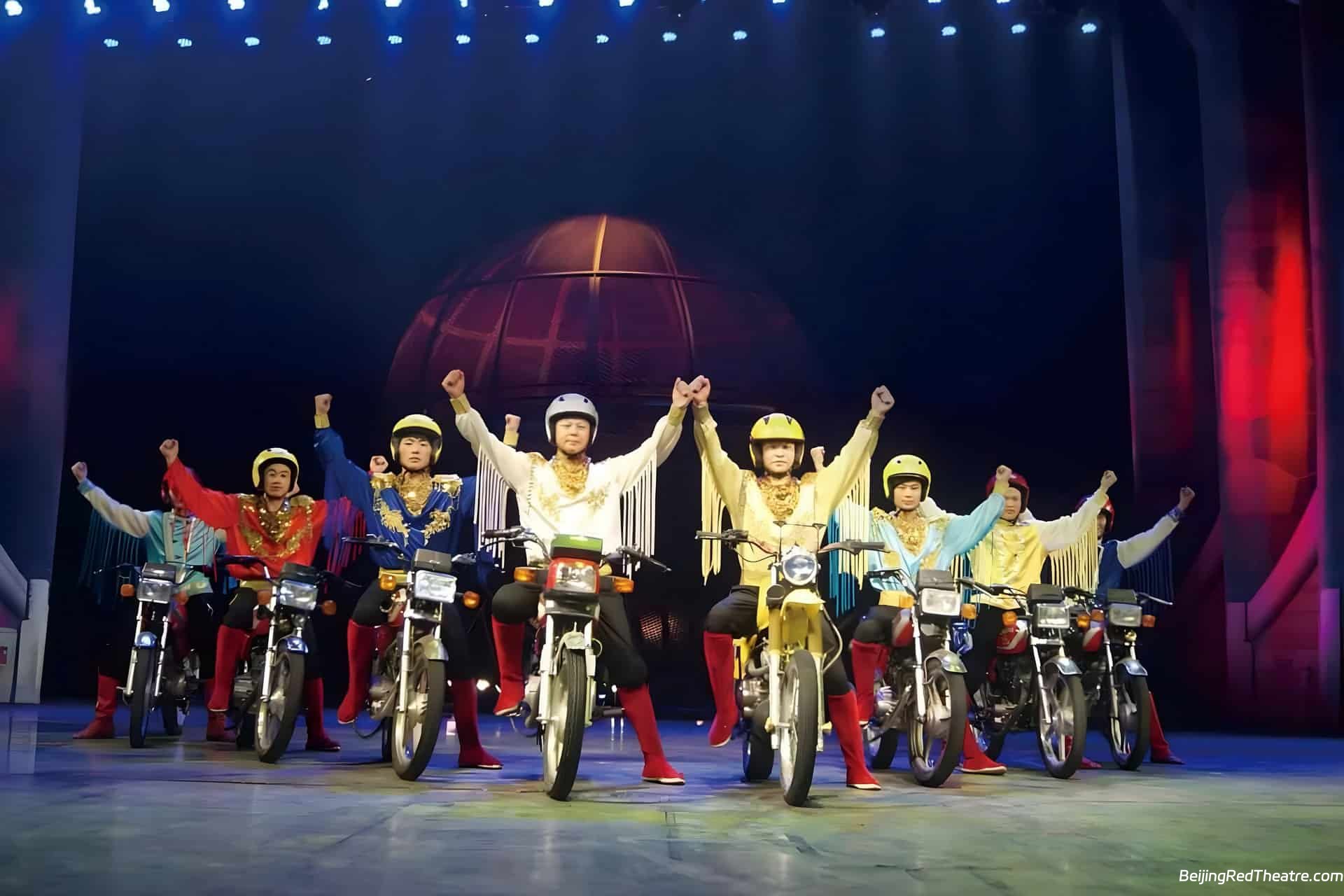
Today, Red Theatre continues its new chapter by presenting spectacular acrobatics performances that combine traditional Chinese skills with modern stage technology.
From Cultural Palace to Professional Theatre
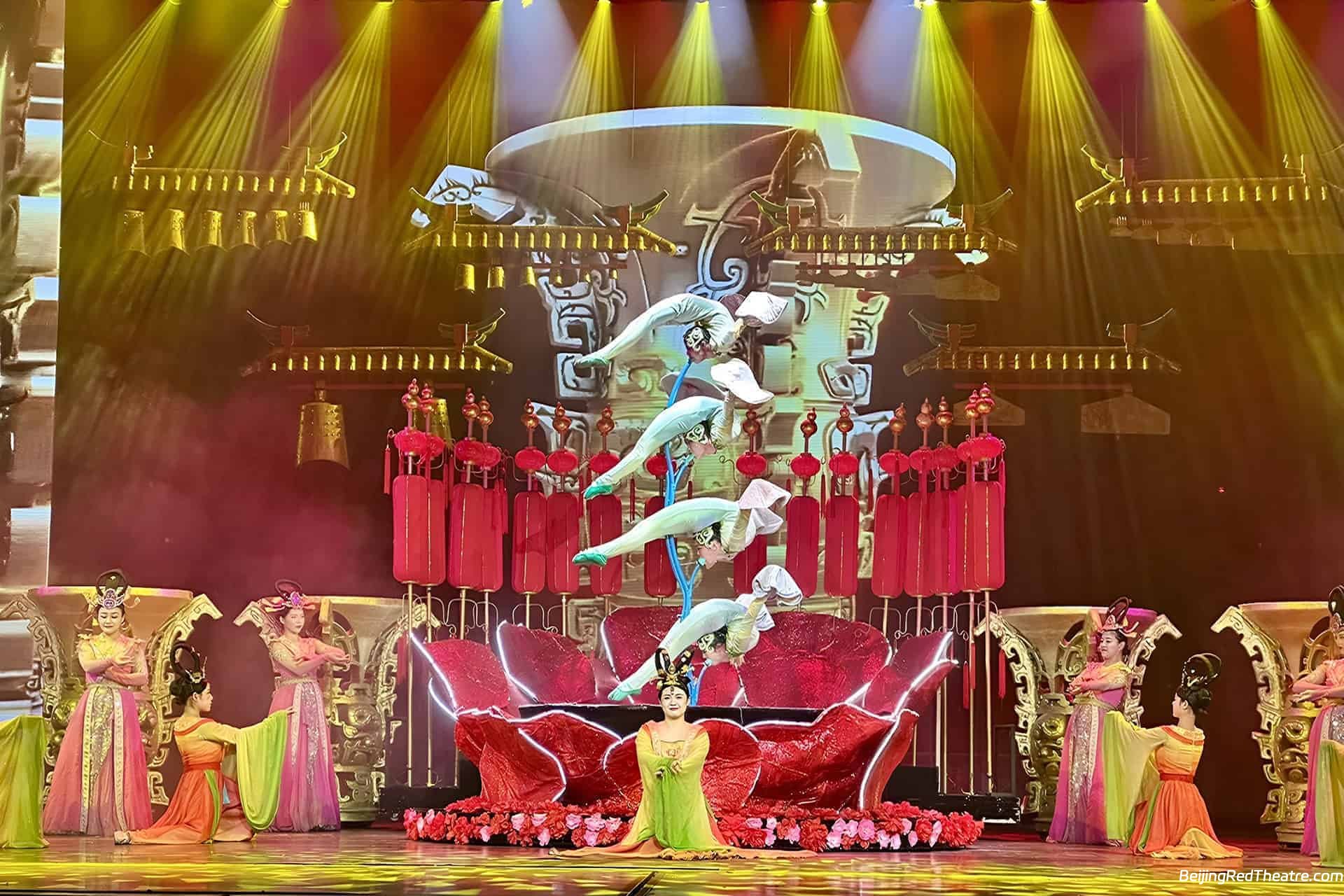
The history of Red Theatre can be traced back to its original role as the Chongwen Workers' Palace of Culture.
Originally serving as a local cultural centre, the venue provided a space for community activities, performances, and cultural events. As Beijing developed into an international tourism destination, the theatre gradually transformed from a local performance space into a professional theatre designed for large-scale productions.
Through renovation and modernization, Red Theatre improved its stage facilities, audience environment, and production capabilities, preparing the venue to welcome both domestic audiences and international travelers.
This transformation reflected a broader trend in Beijing: traditional Chinese performing arts were becoming more accessible to visitors from around the world.
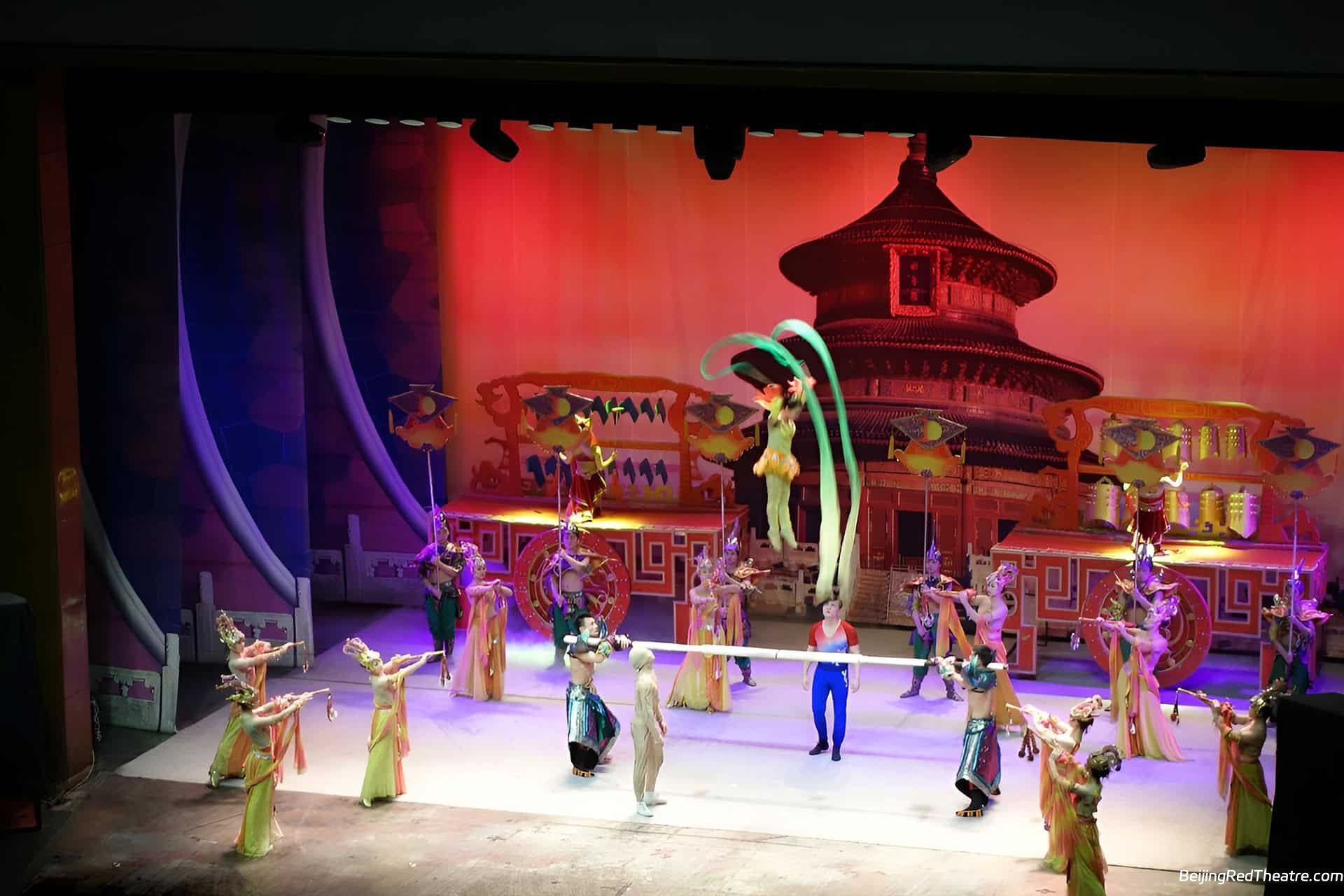
The Rise of Red Theatre as an International Performance Venue
In the early 21st century, Red Theatre became widely recognized for large-scale cultural performances.
The theatre gained international attention through productions that combined Chinese traditions with modern theatrical presentation. Among them, The Legend of Kung Fu became one of Beijing's most recognizable cultural shows for overseas visitors.
The production combined martial arts, acrobatics, dance, and storytelling, presenting Chinese philosophy and traditional skills through a modern stage format. For many international tourists, watching a performance at Red Theatre became an unforgettable part of their Beijing journey.
Over many years, the theatre welcomed audiences from different countries and helped introduce Chinese performing arts to the global stage.
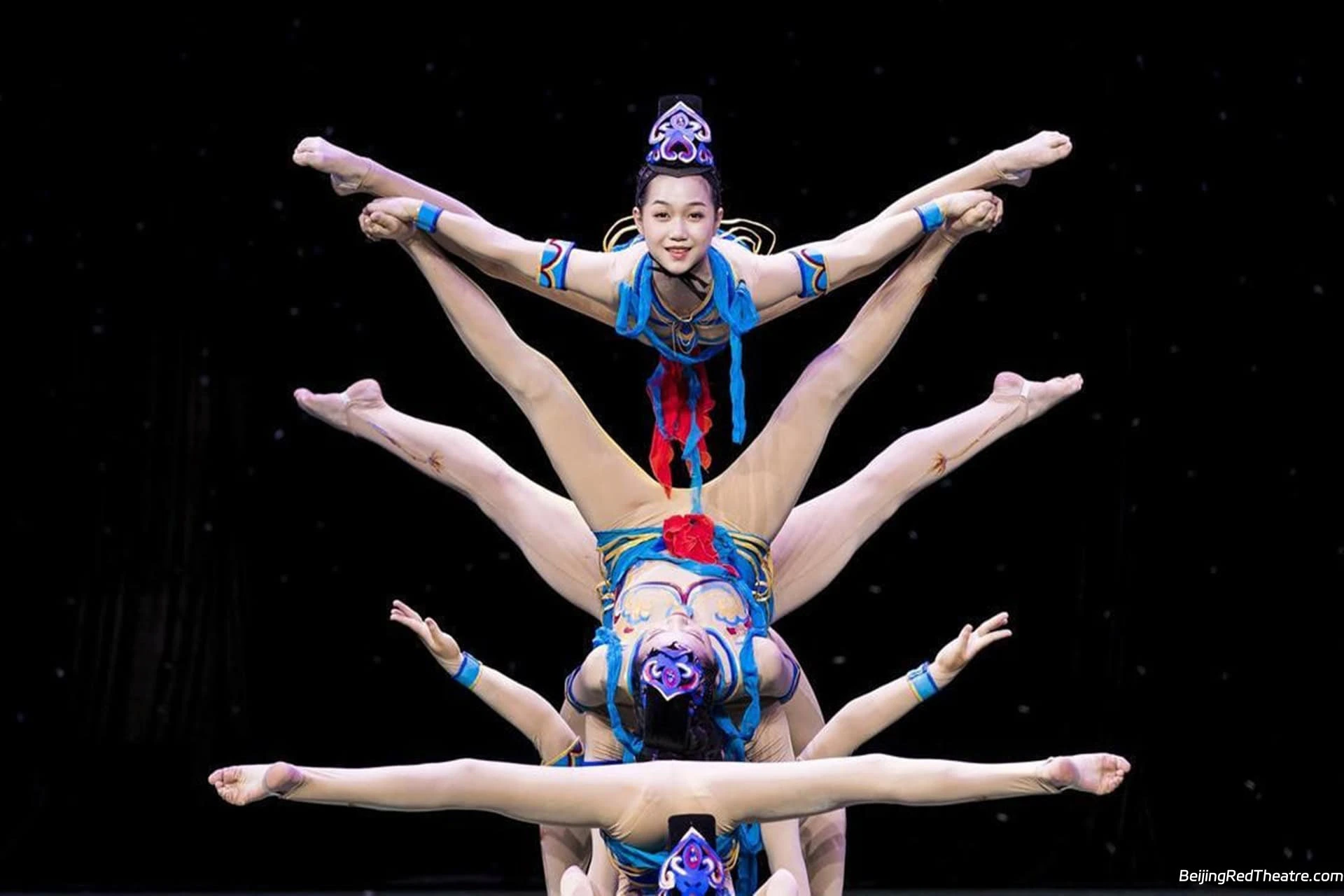
A New Chapter: From Kung Fu to Acrobatics
The performing arts industry continues to evolve with changing audience interests and new creative directions.
After years of presenting martial arts-themed performances, Red Theatre entered a new stage of development. The former Kung Fu production has permanently ended, and the theatre has shifted its focus toward professional acrobatics performances.
This change does not represent the end of Red Theatre's cultural mission. Instead, it reflects a new direction:
- Continuing to showcase Chinese traditional skills
- Creating more visually exciting performances
- Combining classical techniques with modern stage design
- Providing international visitors with accessible cultural experiences
Acrobatics has always been one of China's most internationally recognized performing arts, making it a natural continuation of Red Theatre's cultural identity.
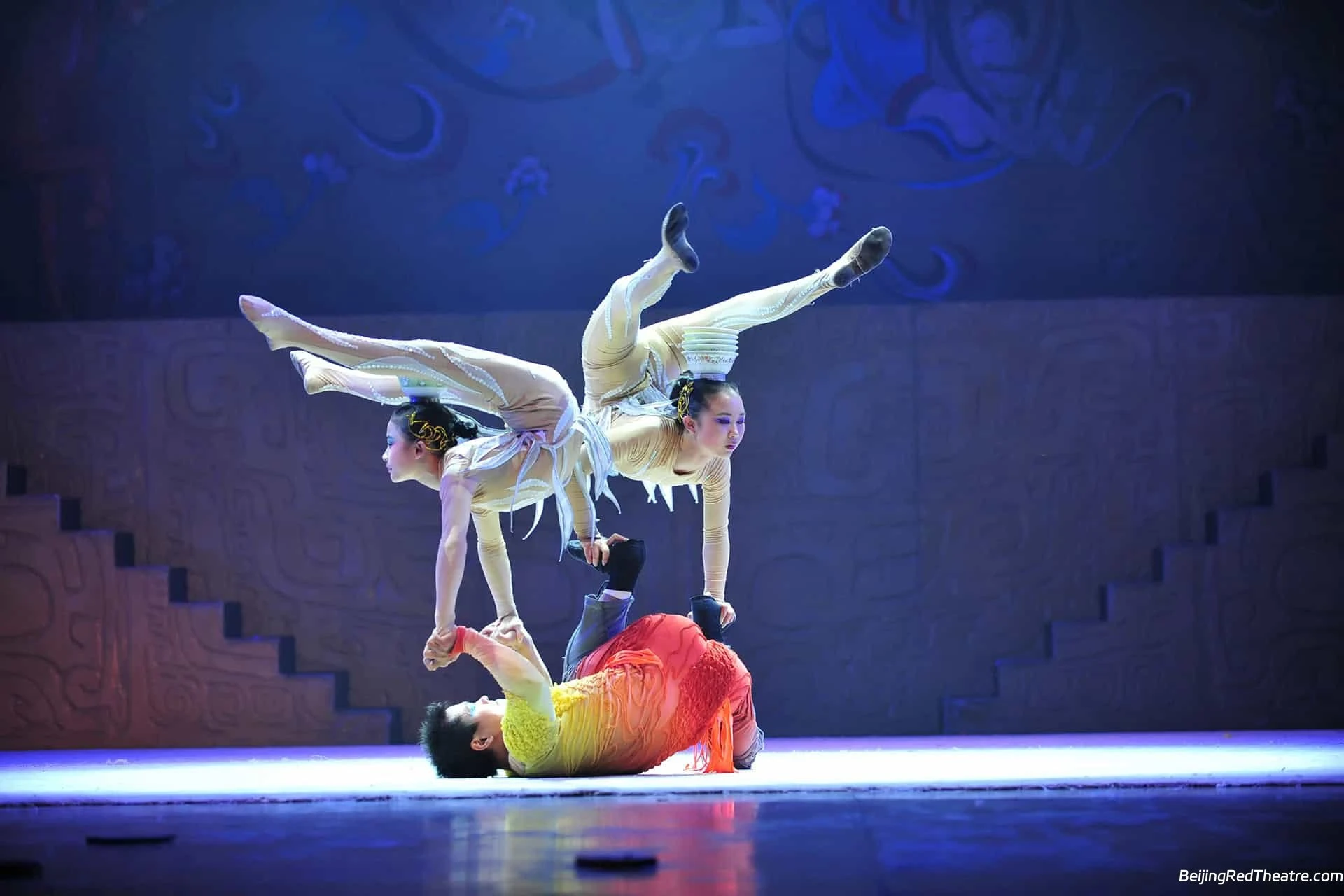
The Cultural Value of Chinese Acrobatics
Chinese acrobatics has a history of thousands of years and represents the combination of physical ability, artistic expression, and cultural tradition.
Unlike performances that depend heavily on language, acrobatics communicates through movement, music, and visual storytelling.
This makes it especially suitable for international audiences.
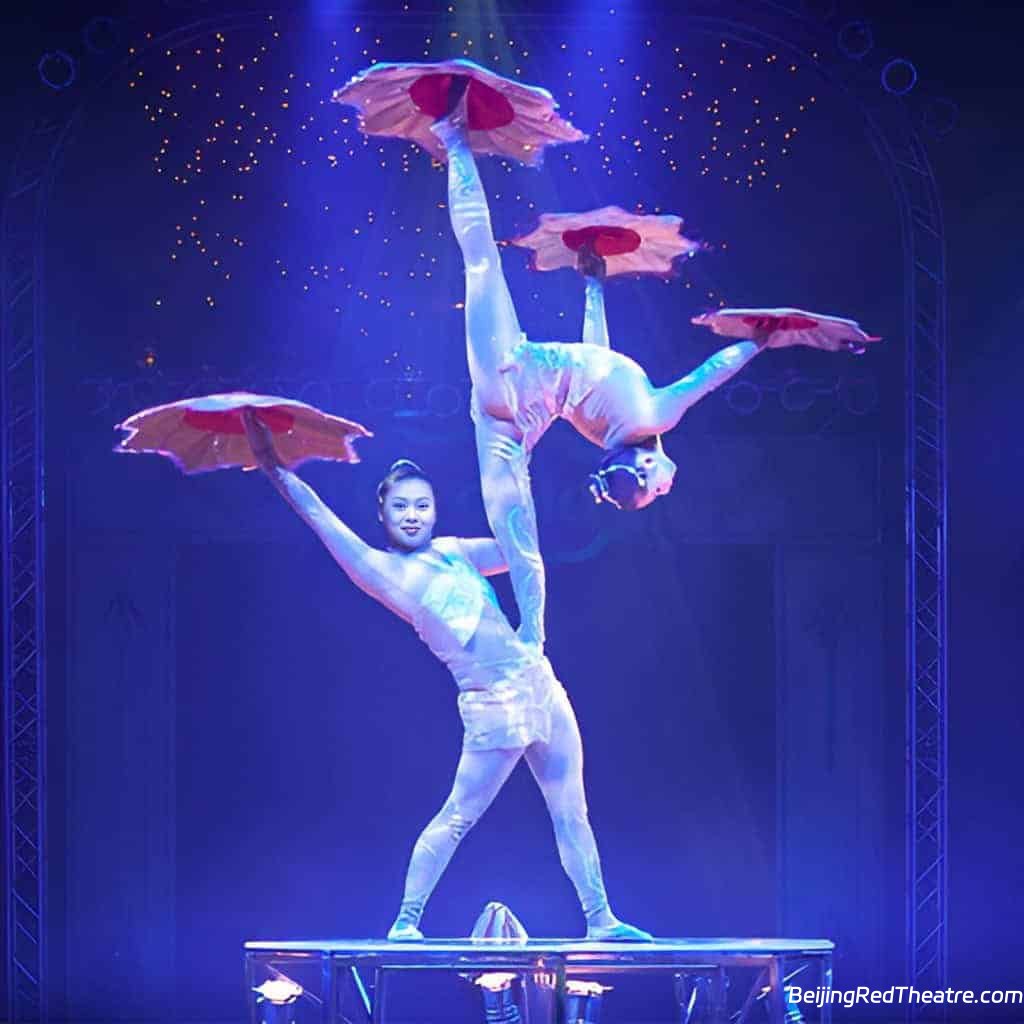
At Red Theatre, professional performers demonstrate:
- Strength and balance
- Flexibility and coordination
- Teamwork and precision
- Traditional Chinese performance techniques
Modern audiences are no longer only looking for historical information. They want experiences that are exciting, emotional, and memorable.
Acrobatics provides exactly this connection between tradition and modern entertainment.
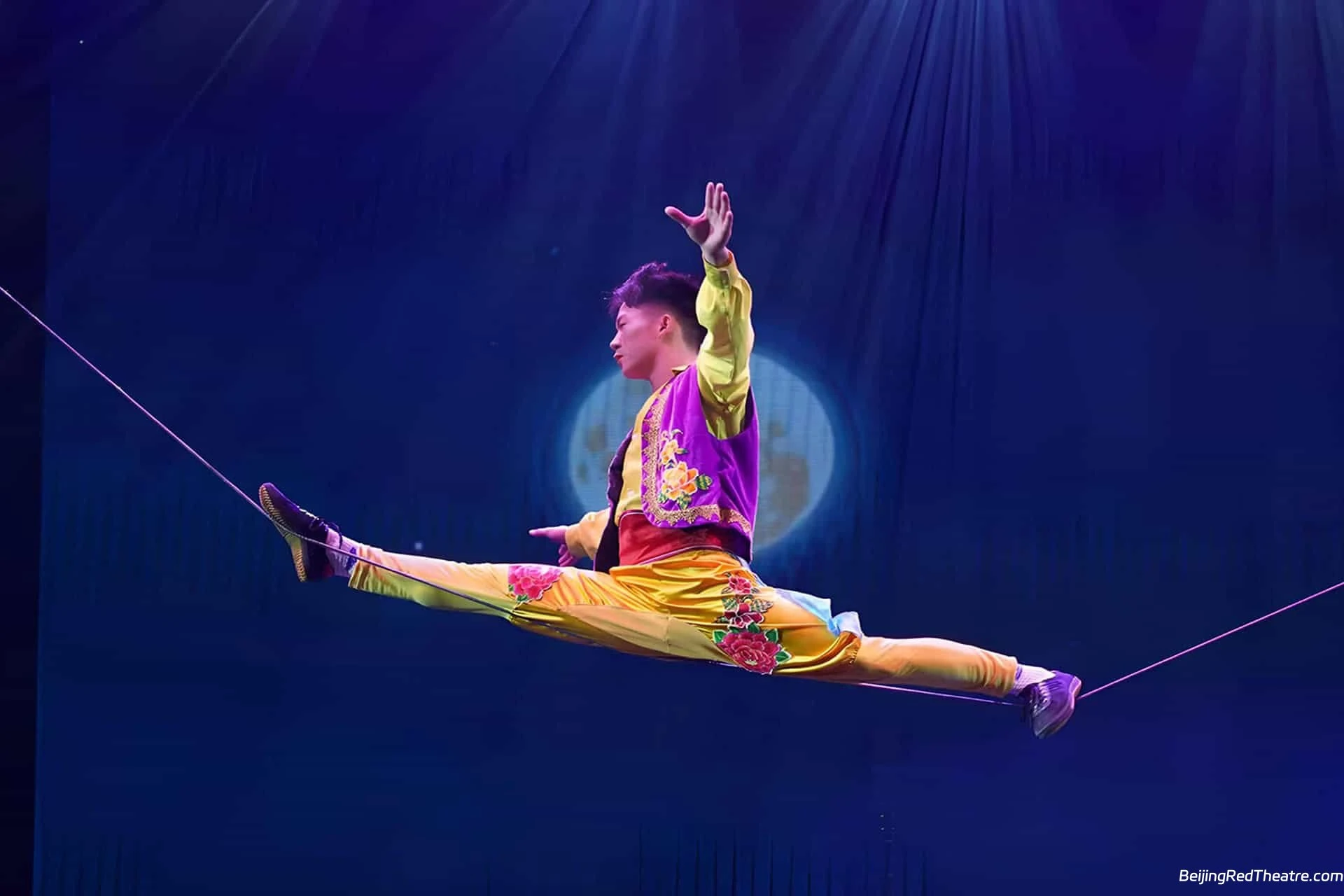
The Future Development of Red Theatre
Looking ahead, Red Theatre has the opportunity to continue developing as a modern Chinese cultural performance venue.
The future direction of the theatre can be summarized in several areas.
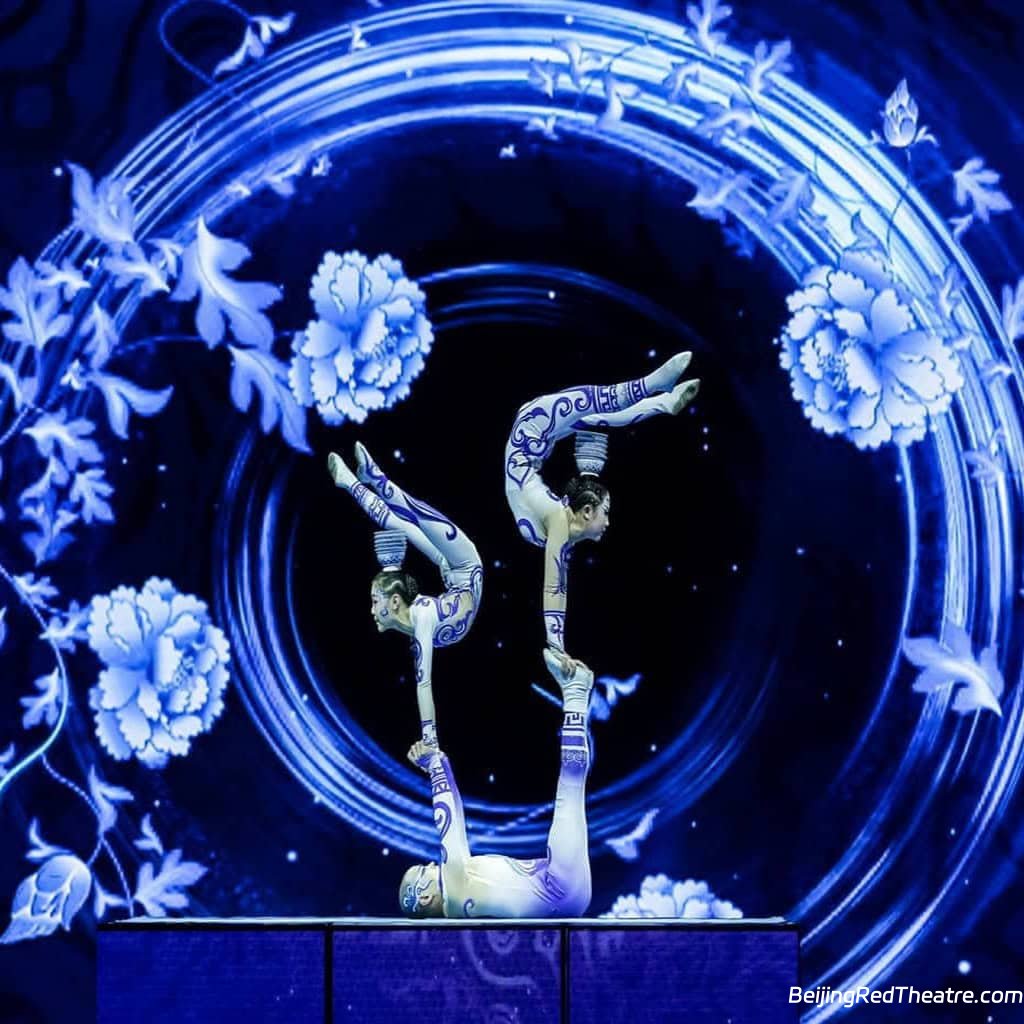
Combining Tradition with Modern Technology
Future cultural performances will increasingly combine traditional Chinese arts with:
- Advanced lighting systems
- Digital stage effects
- Creative choreography
- Immersive audience experiences
This allows traditional skills to reach younger audiences while maintaining cultural authenticity.
Serving International Travelers
Beijing welcomes visitors from all over the world every year.
For international tourists, a theatre performance provides an opportunity to experience Chinese culture beyond museums and historical sites.
Red Theatre's location near major attractions such as the Temple of Heaven gives it a strong advantage as an evening cultural activity option.
The future of Beijing tourism will not only focus on sightseeing but also on cultural experiences.
Developing More Professional Stage Productions
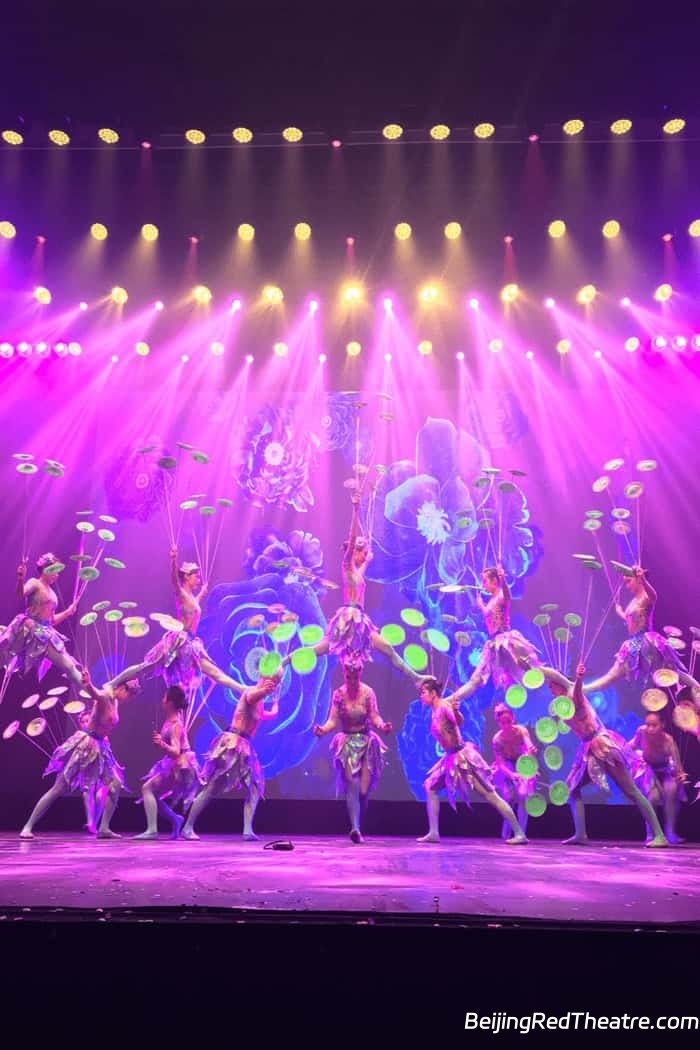
The global performing arts market continues to demand high-quality productions.
Red Theatre can continue improving through:
- Professional performer training
- Better stage production
- International marketing
- Cooperation with cultural organizations
By combining artistic quality with modern management, the theatre can maintain its position in Beijing's cultural tourism industry.
Red Theatre and the Future of Beijing Cultural Tourism
Beijing's cultural attractions are changing.
Visitors today want more than simply seeing historical landmarks. They want to understand Chinese culture through personal experiences.
A live performance creates an emotional connection that cannot be replaced by photos or information panels.
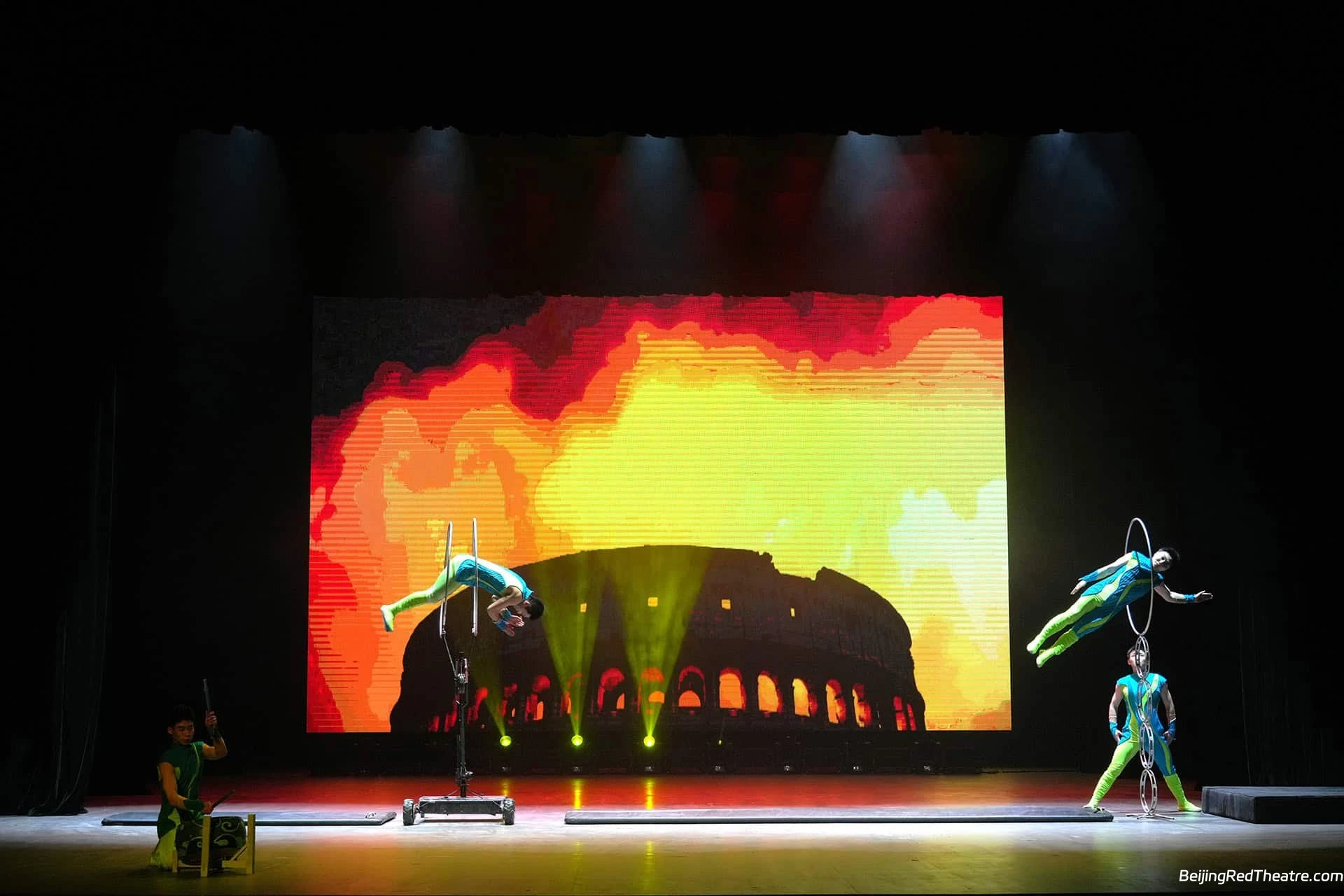
Red Theatre represents this combination of:
- Beijing history
- Chinese traditional arts
- Modern entertainment
- International cultural exchange
From its early days as a cultural centre to its current role as an acrobatics theatre, Red Theatre continues to adapt while preserving the spirit of Chinese performing arts.
Conclusion
The story of Beijing Red Theatre is a story of transformation.
It has evolved from a local cultural venue into an internationally recognized performance theatre. Through different stages of development, the theatre has remained focused on one goal: bringing Chinese culture to audiences through unforgettable live performances.
Today, with acrobatics as its new artistic direction, Red Theatre continues to open a new chapter.
Combining tradition, innovation, and international accessibility, Red Theatre is positioned to remain an important part of Beijing's cultural landscape for years to come.