Suining Acrobatic Troupe History: From Sichuan Tradition to Beijing Stage
Chinese acrobatics is one of the country's most distinctive performing arts, combining physical ability, artistic expression, and centuries of cultural tradition. Behind many spectacular performances seen on modern stages are professional acrobatic troupes that have spent decades preserving and developing these skills.
Among them, the Suining Acrobatic Troupe is a representative group with deep roots in Sichuan Province and a long history of presenting Chinese acrobatics to audiences in China and around the world.
From its early development in Suining to its performances on major stages in Beijing, the troupe represents the journey of traditional Chinese acrobatics from local culture to international entertainment.
The Origins of Suining Acrobatic Troupe
The history of Suining Acrobatic Troupe can be traced back several decades. The troupe was established in 1974 and was originally developed from the Tongjia Class Acrobatic Troupe.
Located in Sichuan Province, Suining has a strong connection with traditional Chinese performing arts. Like many regions in China, local acrobatic traditions were passed down through generations, with performers developing skills through years of professional training.
Over time, the troupe gradually grew from a regional performance group into a professional acrobatic company recognized for its artistic quality and skilled performers.
A Professional Chinese Acrobatics Company
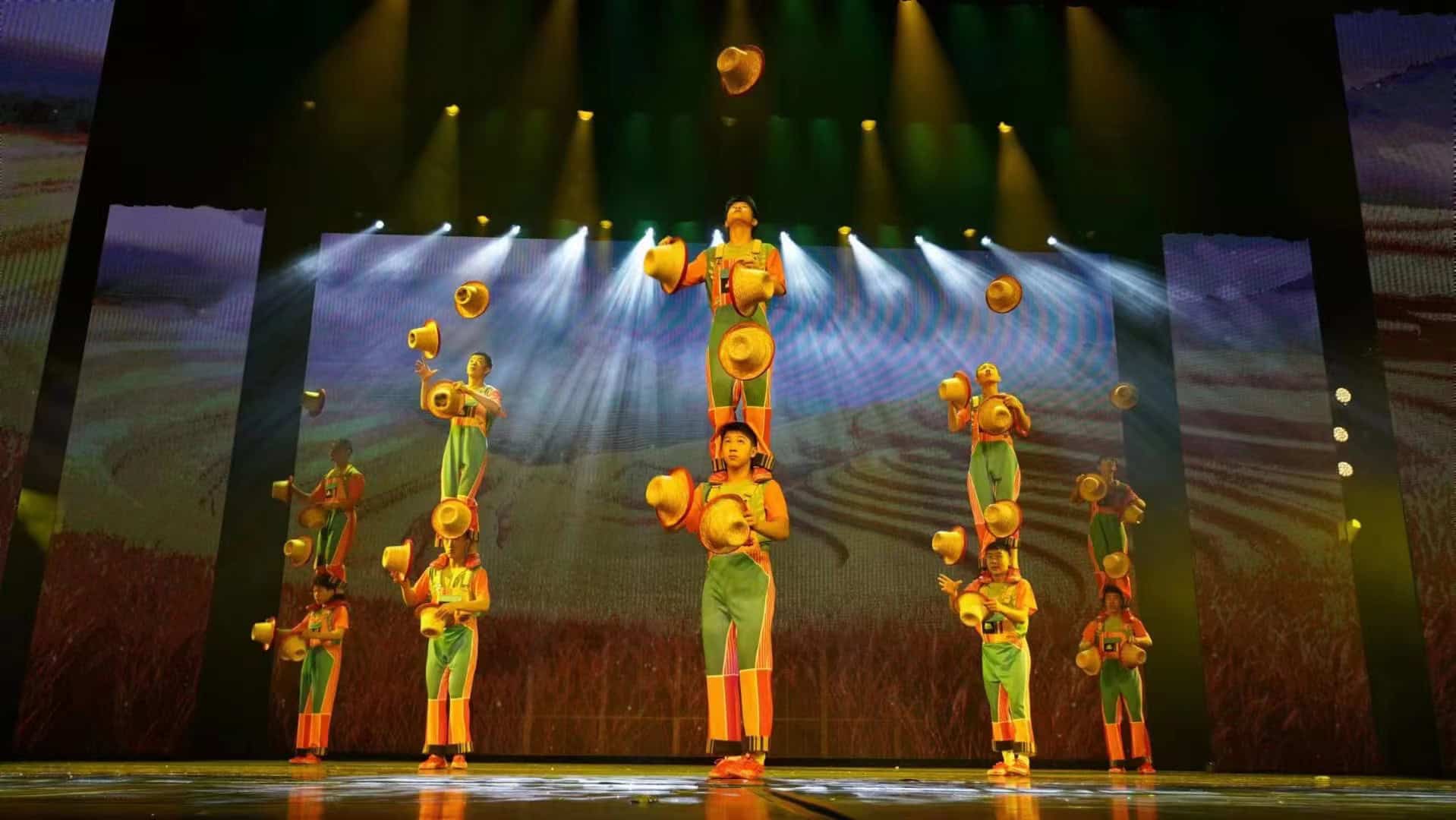
Throughout its development, Suining Acrobatic Troupe has focused on professional training, stage performance, and the preservation of traditional acrobatic techniques.
The troupe includes experienced performers as well as younger artists who continue the tradition through structured training.
A professional acrobat is not created overnight. Many performers begin training at a young age and spend years developing:
- Balance and coordination
- Flexibility and strength
- Stage performance skills
- Team cooperation
- Safety awareness
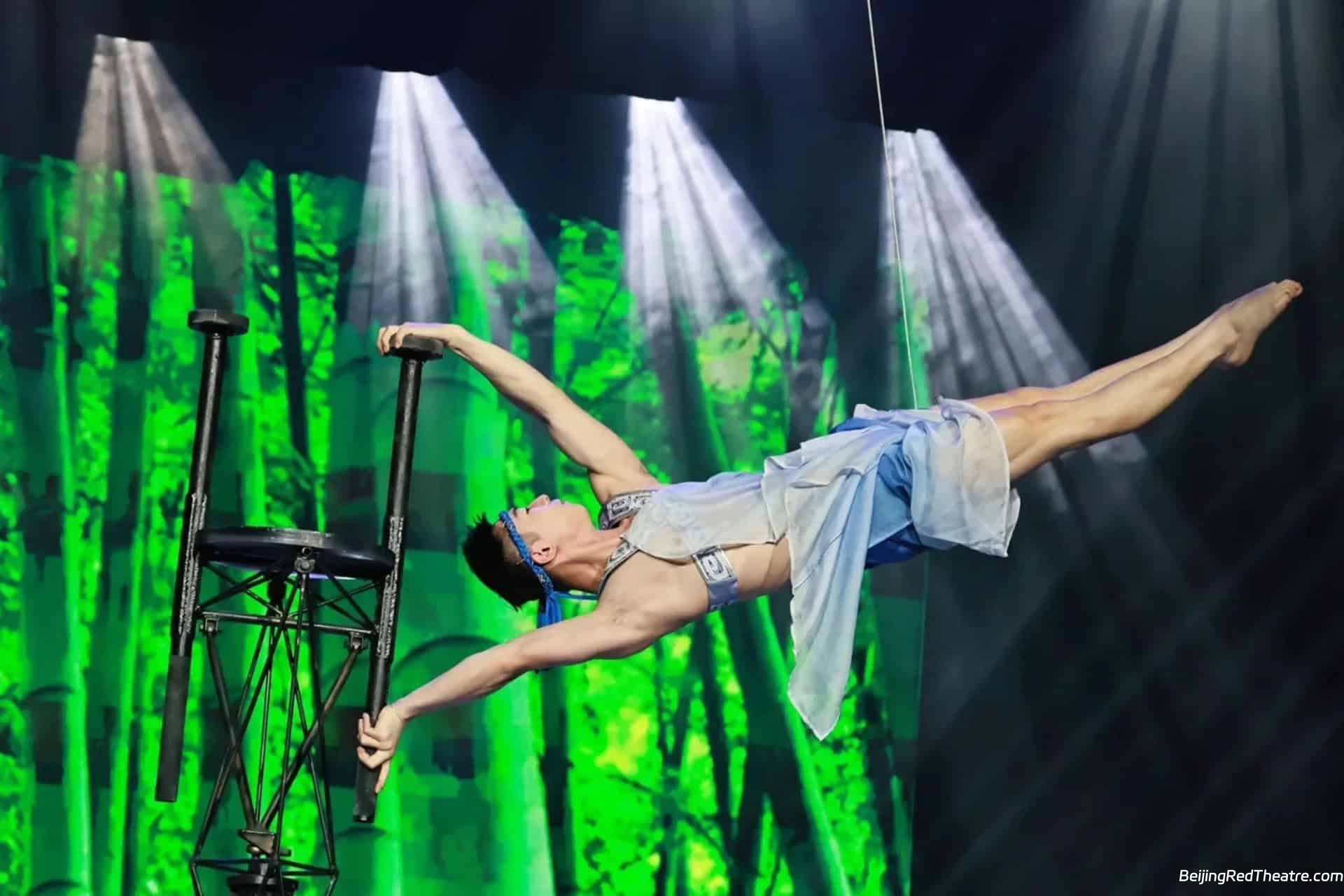
This combination of discipline and creativity allows acrobatic performers to transform difficult physical movements into elegant stage performances.
Bringing Sichuan Acrobatics to the World
One important part of Suining Acrobatic Troupe's history is its international performance experience.
Over the years, the troupe has participated in cultural exchanges and performed for audiences in different countries. These international appearances have helped introduce Chinese acrobatics to people around the world.
Unlike traditional theatre performances that may rely heavily on language, acrobatics communicates through movement, music, and visual storytelling. This makes it an art form that can be appreciated by audiences from different cultural backgrounds.
Through international tours and cultural events, Suining Acrobatic Troupe has become part of the global presentation of Chinese performing arts.
The Connection Between Suining Acrobatic Troupe and Beijing
Although the troupe originated in Sichuan, its development has become closely connected with Beijing's performing arts scene.
Beijing is the cultural centre of China and attracts visitors from all over the world. For many tourists, watching a traditional performance in Beijing is an important part of their travel experience.
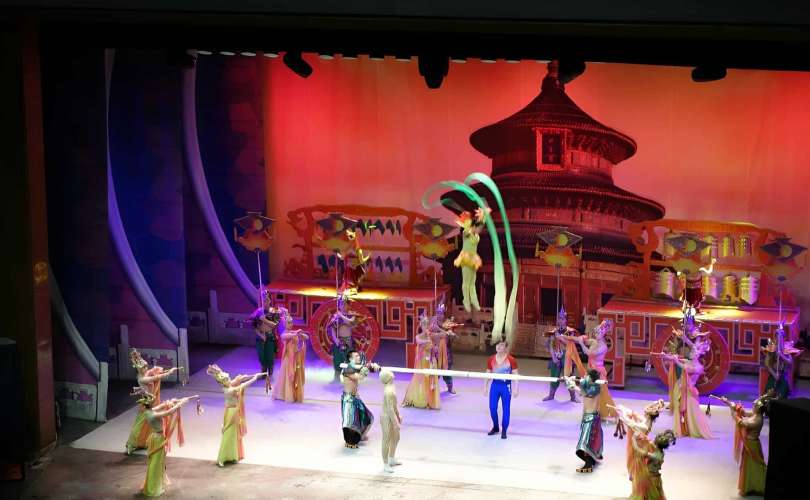
Suining Acrobatic Troupe has established a long-term relationship with Beijing theatres, including performances at venues such as Chaoyang Theatre and later Red Theatre Beijing.
Through these stages, the troupe has introduced Chinese acrobatics to countless domestic and international visitors.
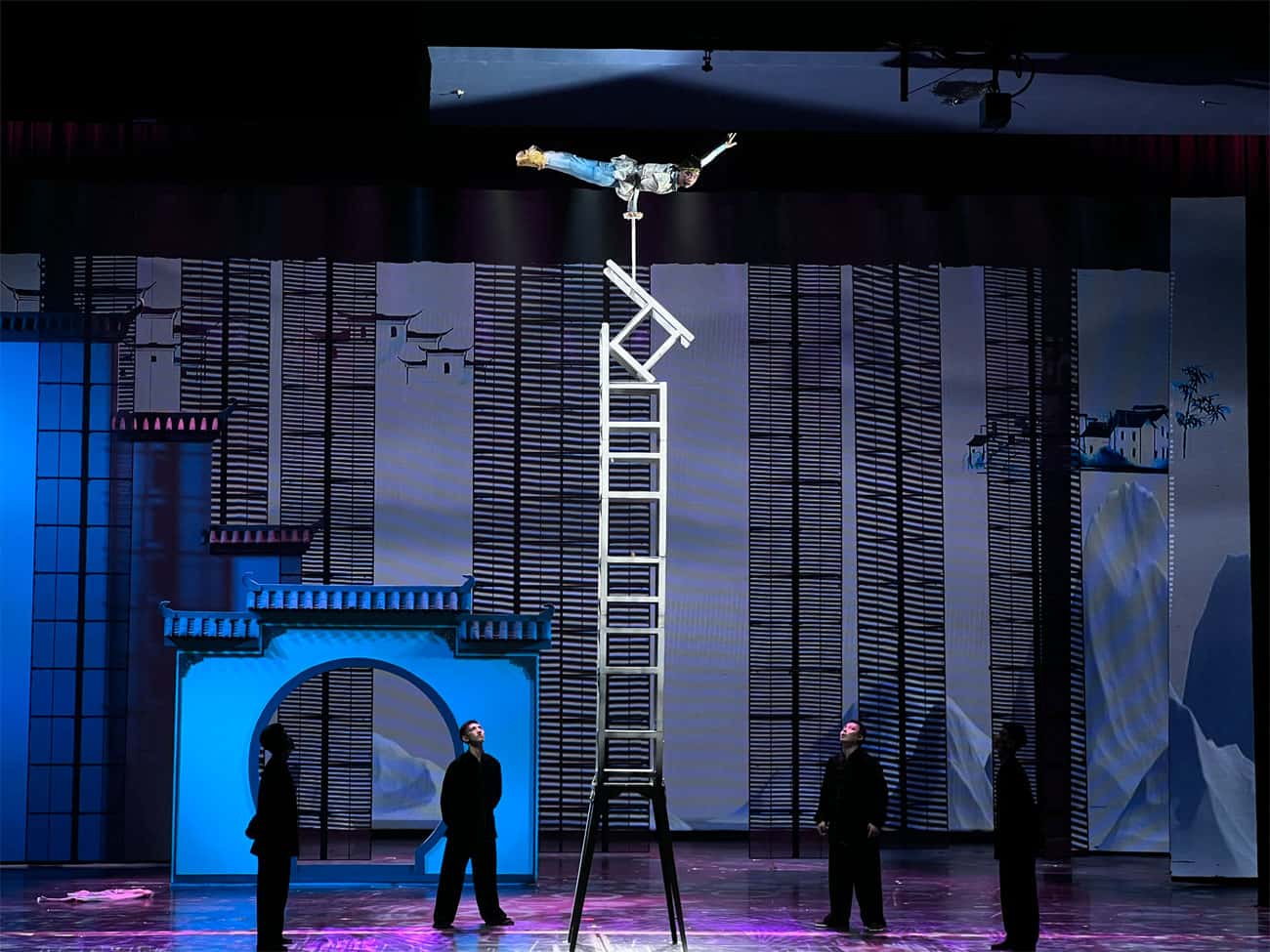
From Traditional Skills to Modern Stage Production
Modern acrobatics is not only about physical skills. Today's performances combine traditional techniques with modern theatre elements.
Professional acrobatic shows often include:
- Creative stage design
- Modern lighting effects
- Music coordination
- Story-based performance structure
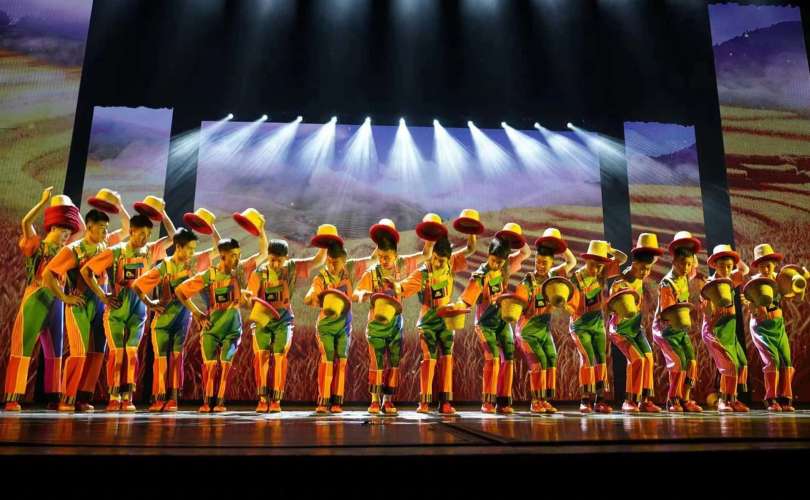
- Large-scale group choreography
These elements allow traditional Chinese acrobatics to adapt to modern audiences while maintaining its cultural foundation.
The Red Theatre Acrobatics Show is an example of how traditional skills can be presented through a contemporary theatre experience.
Why the History of the Troupe Matters
For many visitors, an acrobatic show may appear to be simply an exciting entertainment performance.
However, behind every successful performance is a long process of cultural inheritance, professional training, and artistic development.
Understanding the history of Suining Acrobatic Troupe allows audiences to appreciate the performance from a deeper perspective.
The movements on stage represent:
- Decades of experience
- Generations of performers
- Traditional Chinese artistic skills
- Continuous innovation in performance
Watching an acrobatic show is therefore not only about entertainment, but also about experiencing an important part of Chinese cultural heritage.
Experience Chinese Acrobatics at Red Theatre
For visitors travelling to Beijing, the Red Theatre Acrobatics Show provides an opportunity to experience the skills developed by professional Chinese acrobatic performers.
The performance combines traditional acrobatic techniques with modern stage presentation, creating an exciting evening experience suitable for families, couples, and international travellers.
Whether you are interested in Chinese culture, performing arts, or unique Beijing nightlife activities, an acrobatic show offers a memorable way to discover another side of China.
Final Thoughts
The journey of Suining Acrobatic Troupe from Sichuan to Beijing reflects the development of Chinese acrobatics itself.
Starting from local traditions and growing into a professional performance group with international influence, the troupe represents the dedication of generations of Chinese acrobatic artists.
Today, audiences in Beijing can experience this combination of tradition, skill, and modern theatre through professional acrobatics performances.
For travellers looking for an authentic Chinese cultural experience, watching a Beijing acrobatics show is not just seeing impressive movements on stage — it is discovering the history and spirit behind the performance.